

Librarians rely on copy cataloging as a powerful strategy to efficiently organize library materials and enhance user access. By utilizing existing bibliographic records instead of starting from scratch, they save valuable time and resources. This method involves copying or adapting established records from centralized databases like OCLC WorldCat or the Library of Congress, ensuring that users can quickly find the information they need. Embracing copy cataloging not only streamlines processes but also significantly improves service quality within the library.
Here are some of the most widely used online public access catalogs (OPACs) for copy cataloging by librarians:
1. OCLC WorldCat: Is a global library catalog provided by OCLC, connecting thousands of libraries to make unique, trustworthy materials accessible. It allows users to search for physical and electronic items in nearly 500 languages, including books, maps, articles, and rare materials like family histories. By integrating library resources into a single search, WorldCat.org supports diverse information needs, from science to genealogy, while promoting learning, research, and innovation. As the largest global OPAC, WorldCat connects thousands of libraries and provides extensive records, including MARC records. It is a preferred choice for copy cataloging across diverse collections.

2. Library of Congress (LOC) Catalog: The Library of Congress Catalog (LC Catalog) provides access to over 20 million records, including books, manuscripts, maps, music, and digital resources. It supports keyword, browse, and advanced searches, and includes helpful features like cross-references and authority records. The catalog meets accessibility standards and allows users to export data in various formats, such as MARC and MODS. Users can request materials, access special collections, and utilize resources like HathiTrust. The responsive design ensures usability across different devices. Known for its authoritative records, the LOC catalog offers comprehensive bibliographic data, especially for works published in the U.S. and by major publishers worldwide. It is highly trusted for precise cataloging.

3. British Library Catalog: The British Library catalog offers access to an extensive collection of resources, including books, manuscripts, maps, newspapers, and digital content. It features both keyword and advanced search options for locating physical and electronic materials, making it easier for users to find resources for research, learning, and exploration. Additionally, the catalog provides tools for saving searches, managing references, and requesting copies of items. This catalog is an essential resource for libraries needing detailed records of UK publications, often used by institutions with a focus on international literature.

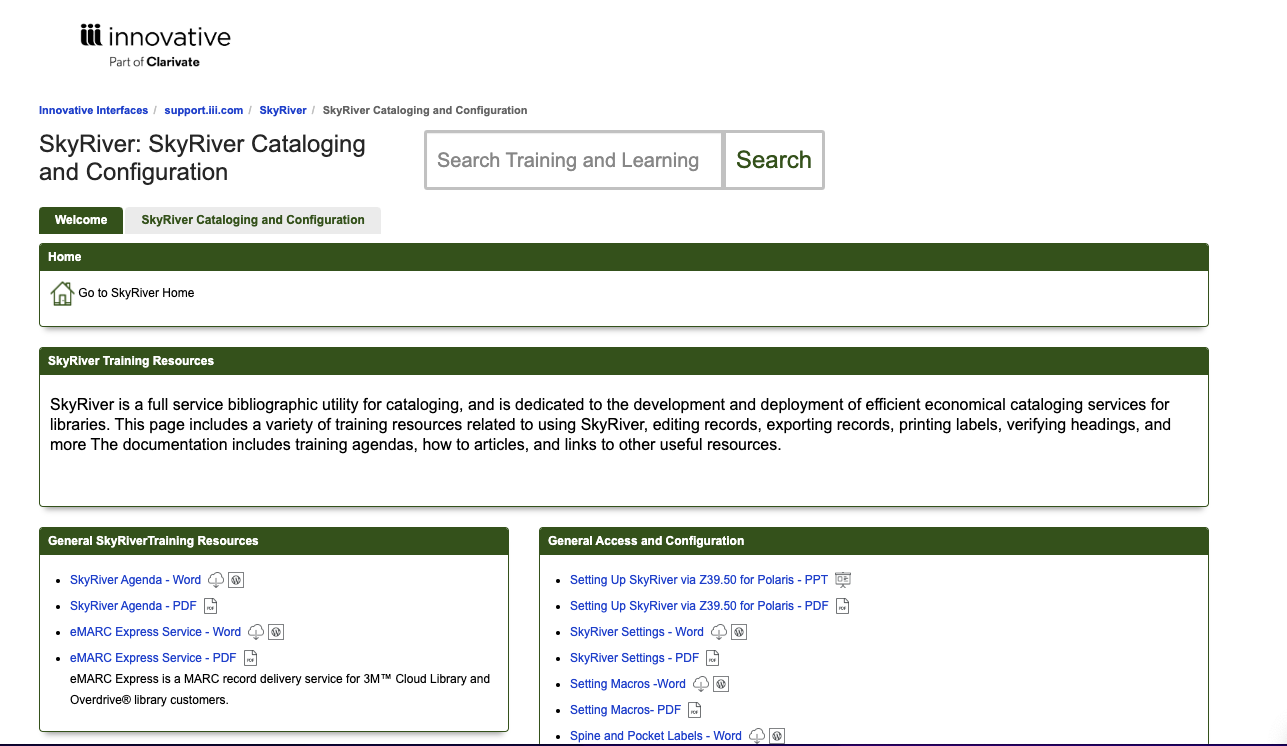
4. SkyRiver: It is a bibliographic utility designed for libraries to support cataloging and resource management. It offers a database of high-quality MARC records and integrates with library systems to enhance workflows. SkyRiver is a subscription-based service, with pricing often tailored to library size and usage. It is known as a cost-effective alternative to similar services
As an alternative to OCLC, SkyRiver provides robust copy cataloging services and has gained popularity in recent years among institutions seeking flexible and competitive cataloging options.
5. Surpass Cloud: is a library management system designed for schools, small libraries, and organizations. It provides tools for cataloging, circulation, patron management, and reporting. Surpass Cloud operates on a subscription-based model, offering ongoing updates, cloud hosting, and technical support as part of the service.
This platform supports copy cataloging through integration with Z39.50, allowing users to access records from major libraries and add them directly to their systems. It is especially accessible for smaller libraries or specialized collections.

Benefits of Copy Cataloging for Library and Information Professionals
Library and information professionals greatly benefit from using these valuable resources to secure high-quality catalog records and enhance their copy cataloging workflows. Copy cataloging is not just a process; it’s a vital strategy that empowers organizations to boost efficiency, save precious time, and ensure record consistency through a standardized cataloging format.

One of the key benefits of copy cataloging is its cost-effectiveness. By reducing the need to create original catalog records, it can help lower operational expenses for libraries. In addition , copy cataloging fosters collaboration among libraries and librarians. Enabling them to participate in cooperative cataloging efforts and share available records. This teamwork not only strengthens individual libraries but also enhances resource sharing, making it easier and faster for library users to find the materials they need.
 Open Access Learning PH